

Writing nonfiction: in a flash
Flash nonfiction is a terrific way to keep your writing juices flowing when you’re struggling to write the things you know you should be writing. Flash nonfiction is concise truth-telling, such as essays and memoirs in 750-1000 words or even shorter ‘micro’ versions. Dive in to learn more!
How you write matters
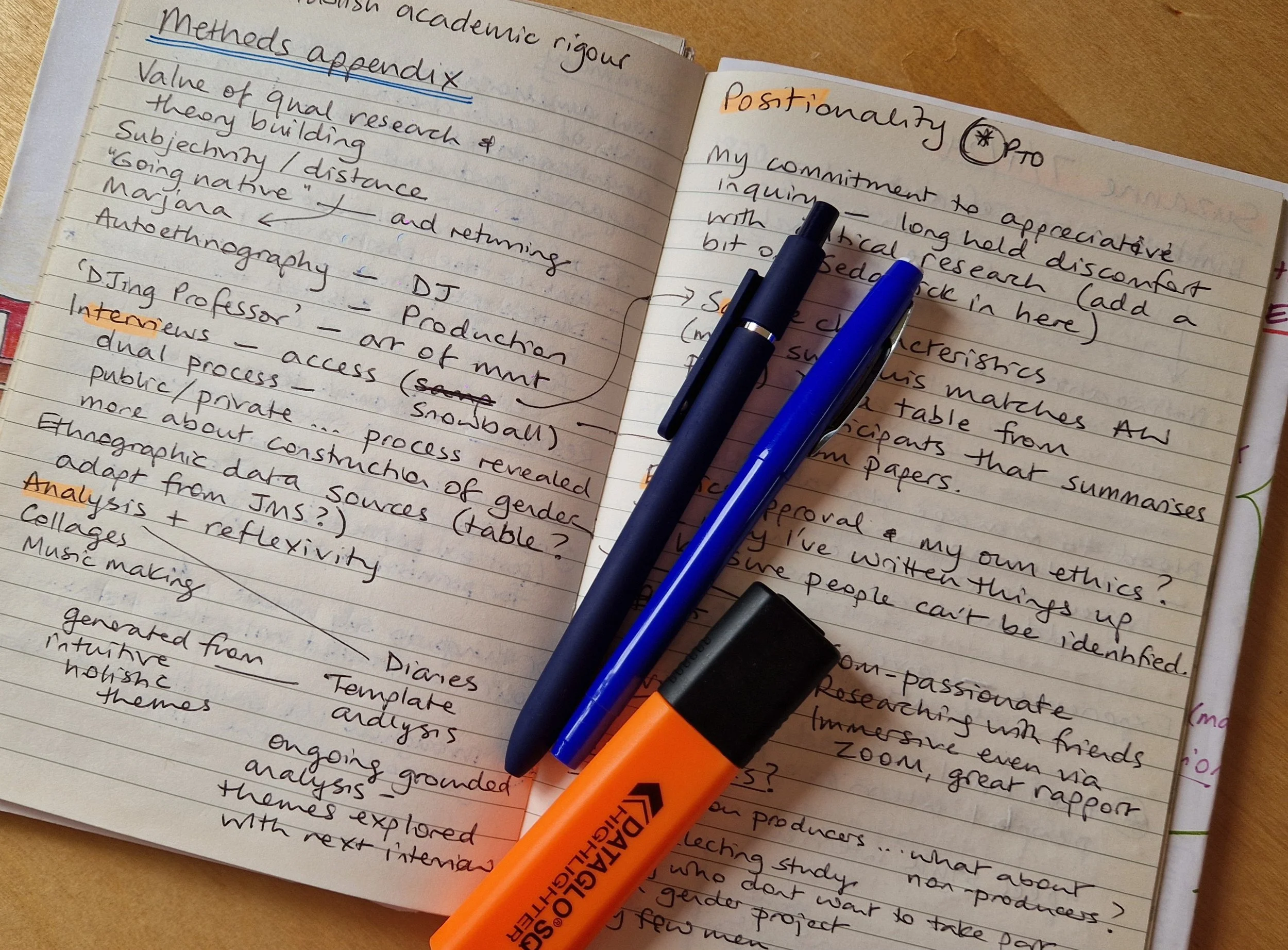
A round-up of research comparing how our brains activate when handwriting and typing, and how research-led writers can maximise the brain-benefits of good old-fashioned writing by hand.

‘Joy-first’: A counterintuitive guide to the academic summer
In this post I show you how to slow down the vanishing act of the academic summer by getting real about the time, scheduling rest, and prioritising fun writing projects that bring you joy. Yes, that project that gives you butterflies but you’re never allowed to work on because there’s always something else more important. That one. Dare you?

The I-D-E-A framework for serial over-committers
Saying no to stuff you actually want to do is hard, but there are only so many hours in the day, and our energy is finite. In this post I will introduce you to my ‘I-D-E-A’ framework: a tried and tested tool to help you sift through your ideas to find the ones you actually have time and energy to pursue, and park the others until you do.

There’s no such thing as writer’s block
Yes, you’re blocked. But you don’t have ‘writer’s block’. Because writer’s block is a symptom, not the disease. Writer’s block is your brain’s warning light that something deeper is wrong, so if you’re feeling stuck, this is good news! Once you fix the fault it’s always possible to get unstuck. Here are some diagnostic questions to ask…

Don’t bore your reader: sentence hacks for punchy prose
No matter what kind of research-led writer you are, your prose needs to be punchy. Like it or not we live in an attention economy so keeping eyes on the page (or screen) is vital to communicate the stories that deserve to be told.
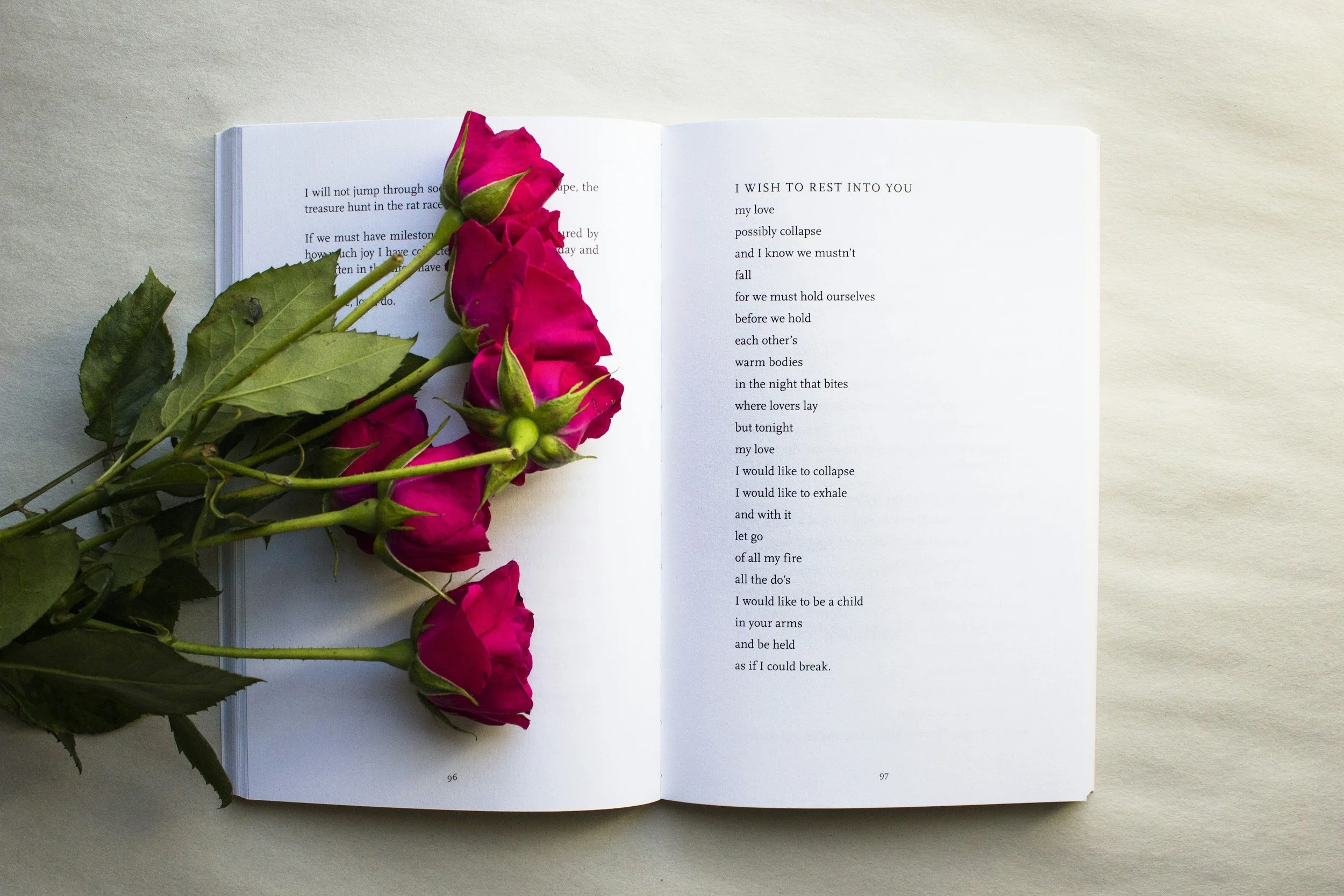
Four lessons research-led writers can learn from poets.
Poets are maestros of pace, energy and emotion and work with astonishing linguistic economy. The worlds they conjure from only a few choice words meticulously arranged, are testament to how poems bloom in reader’s imaginations.

Taming the Inner Critic: A Therapist’s Guide to Authentic Writing and Self-Compassion
GUEST BLOG: A mini-course from Mark Shipton to help you find a more authentic voice for your writing by using therapy-based techniques to reduce the strength of, and understand, your inner critic.